

When it comes to prison, not all cells are created equal. Imagine a world where some inmates enjoy a little more elbow room than others. That’s the reality of prison security levels, ranging from 1 to 5. Each level serves a unique purpose, ensuring that the most dangerous criminals don’t get too cozy while allowing lower-risk offenders a chance to rehabilitate.
Curious about what each level entails? From the super-max facilities that resemble Fort Knox to the minimum-security camps that almost feel like summer camp (minus the marshmallows), understanding these levels can shed light on the complexities of the correctional system. Stick around as we dive into the fascinating hierarchy of prison security and discover what makes each level tick. Who knew prison could be so… enlightening?
Overview of Prison Security Levels
Prison security levels range from 1 to 5, each level designed for specific inmate classifications. Level 1 represents minimum-security facilities, which house low-risk offenders. These institutions often feature dormitory-style living arrangements and a focus on rehabilitation.
Level 2 offers a slightly higher security arrangement, accommodating inmates with more significant risks than those in Level 1. Facilities may include additional fencing and guard presence but still prioritize rehabilitation programs.
Level 3 includes medium-security prisons. Inmates classified under this level face more restrictions than in Level 2, with higher surveillance and limited movement. Offenders here may have a history of violent behavior or severe criminal offenses.
Level 4 comprises high-security prisons, housing offenders deemed a significant threat to public safety. Facilities feature reinforced structures, extensive security measures, and a comprehensive monitoring system to prevent escapes and maintain order.
Level 5 refers to super-max or administrative segregation prisons, designed for the most dangerous criminals. Inmates experience the highest level of control and restriction, often in solitary confinement. These facilities use rigorous security protocols to manage incarcerated individuals with extreme behavioral issues.
Each level in the prison security hierarchy plays a crucial role in maintaining order and ensuring safety within the correctional system. Understanding these classifications helps clarify the complexities of managing diverse inmate populations.
Security Level 1: Minimum Security
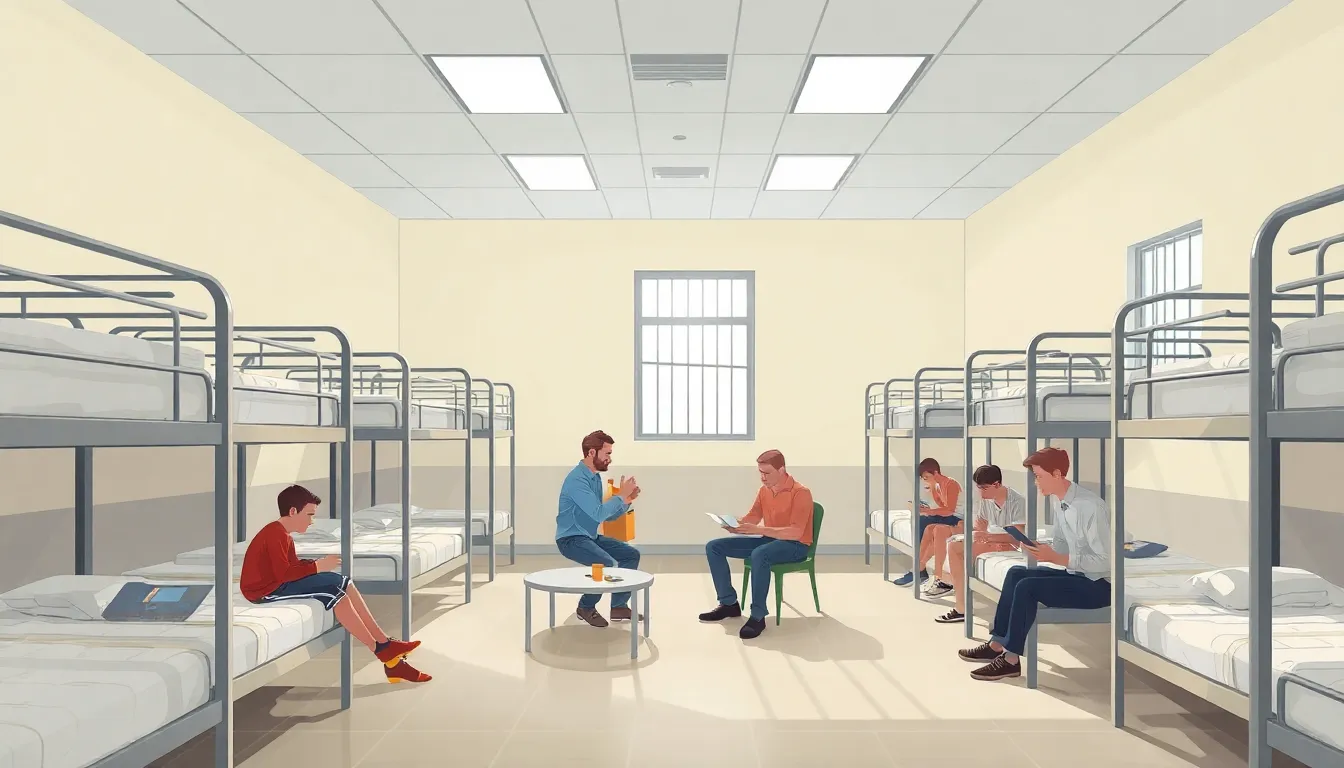
Minimum-security facilities house low-risk offenders in a more relaxed environment. These institutions emphasize rehabilitation and prepare inmates for reintegration into society.
Characteristics of Level 1 Facilities
Level 1 facilities feature dormitory-style living, fostering a communal atmosphere. Inmates enjoy more freedoms compared to higher security levels. Recreation areas and educational programs are typically available, promoting personal growth. Security measures such as fences and surveillance cameras exist but are less intrusive. Often, staff-to-inmate ratios are favorable, allowing for more engagement and support.
Typical Offenders in Level 1
Typically, offenders in Level 1 include those convicted of non-violent crimes. Property crime offenders and first-time drug offenders often qualify for this level. Many inmates demonstrate low reoffending risks, indicating a potential for successful rehabilitation. Offenders close to completing sentences or those with strong support networks also fit this profile. Generally, the focus remains on preparing these individuals for life outside prison walls.
Security Level 2: Low Security
Security Level 2 facilities offer a moderate security environment for inmates classified as low to medium risk. These prisons provide a structured setting while maintaining a focus on rehabilitation and personal development.
Characteristics of Level 2 Facilities
Level 2 facilities feature more substantial security measures than Level 1 prisons. Inmate movement is more controlled, often requiring passes for relocation within the facility. Surveillance systems, including cameras and roving guards, ensure safety and monitor inmate activities. Shared living quarters may resemble dormitories, providing personal space yet fostering interaction among inmates. Employment programs and educational classes are available, encouraging skill development and reducing recidivism rates. Health and mental health services play essential roles in promoting inmate well-being.
Typical Offenders in Level 2
Typical offenders in Level 2 prisons include individuals with non-violent felony convictions and those involved in minor violent crimes. Drug-related offenses often fall under this category, encompassing first-time drug dealers and users. Inmates who exhibit behavioral issues or disciplinary infractions may also get placed here. Generally, offenders display a lower risk of reoffending compared to more violent counterparts but still require supervision. These offenders benefit from rehabilitation programs aimed at successful reintegration into society.
Security Level 3: Medium Security
Level 3 facilities fall between minimum and high security, designed for inmates with a moderate risk to public safety. These prisons maintain a balanced approach to rehabilitation and security, ensuring safety while supporting inmate development.
Characteristics of Level 3 Facilities
Level 3 facilities feature increased surveillance compared to lower security levels. Inmates experience restricted movement within the prison, promoting controlled access to different areas. Guards monitor interactions closely to prevent violence and maintain order. Shared living quarters remain common, fostering social interaction under structured conditions. Educational and vocational programs play a significant role, aiming to reduce recidivism and build skills. Inmates participate in various activities that focus on personal growth and preparation for reintegration into society.
Typical Offenders in Level 3
Typical offenders in Level 3 usually include individuals with a history of non-violent felonies and minor violent crimes. These inmates may have committed offenses such as assault or robbery without weapons. Many offenders possess prior criminal backgrounds, resulting in their classification as medium risk. Some show potential for rehabilitation, reflecting commitment to reform. Inmates often enter programs designed to address behavioral issues, addiction recovery, and job skills training.
Security Level 4: High Security
Level 4 facilities are designed for high-risk offenders presenting substantial threats to public safety. These prisons maintain stringent security measures to manage dangerous inmates effectively.
Characteristics of Level 4 Facilities
Extensive surveillance systems monitor inmate activities around the clock. Guards implement strict access controls, including secured perimeters and motion sensors. Living quarters typically have fewer inmates, allowing for closer supervision. Facilities offer limited outdoor access to reduce the risk of escape. Rehabilitation programs exist but operate in a controlled environment, prioritizing safety alongside inmate development. These security features ensure a structured environment while minimizing potential hazards for both staff and inmates.
Typical Offenders in Level 4
Individuals housed in Level 4 usually have been convicted of violent crimes or serious drug offenses. Many possess lengthy criminal records, indicating a history of threatening behaviors. Offenders might include repeat felons and those involved in gang activities, reflecting their heightened security classification. Such individuals often display traits contributing to their classification as high-risk, necessitating elevated Security protocols. Programs at this level often focus on behavioral modification, addressing violent tendencies and fostering accountability.
Security Level 5: Supermax Security
Level 5 facilities house the most dangerous criminals, implementing the highest security standards. These supermax prisons maintain strict control to prevent escape and manage inmate behavior.
Characteristics of Level 5 Facilities
Supermax facilities feature continuous surveillance and fortified structures to enhance security. Inmates often live in solitary confinement, with minimal human contact. Access to programs and services exists but is highly restricted. Limited movement reduces the risk of violence among inmates. Compartmentalization of individual units helps manage safety concerns efficiently. Steel doors, reinforced walls, and advanced technology contribute to maintaining order.
Typical Offenders in Level 5
Individuals incarcerated in Level 5 include those convicted of severe violent crimes and major drug offenses. Many possess lengthy criminal histories, posing significant threats to public safety. Inmates often exhibit behavioral issues, making rehabilitation challenging. High-profile cases frequently involve gang leaders and serial offenders, underscoring the severity of their offenses. The profile of these offenders highlights the importance of supermax facilities in safeguarding society from repeat crimes.
Understanding the different prison security levels is essential for grasping the complexities of the correctional system. Each level serves a unique purpose in managing inmate populations and ensuring public safety. From the rehabilitative focus of Level 1 facilities to the stringent control of Level 5 super-max prisons, these classifications reflect the varying degrees of risk associated with offenders.
The structured hierarchy not only aids in the effective management of inmates but also emphasizes the importance of rehabilitation and reintegration efforts. Recognizing these distinctions can foster a better understanding of how the justice system addresses the needs of both society and offenders.