
The question of whether a penis is a bone sparks curiosity and debate across various circles. Many might assume that the anatomy of the penis includes bones, but the reality is quite different. Understanding this topic requires a closer look at human anatomy and the unique structures that contribute to sexual function.
In many animals, such as certain primates, a bone called the baculum provides structural support. However, in humans, the penis is composed of soft tissues, blood vessels, and muscles, lacking any bony structure. This distinction not only highlights the differences between species but also sheds light on the complexities of human reproductive anatomy. Exploring this topic reveals fascinating insights into both biology and evolution.
Understanding The Anatomy
The human penis comprises various soft tissues structured to facilitate sexual function and reproduction. It’s essential to differentiate the components for a better understanding of its anatomy.
Basic Structure Of The Penis
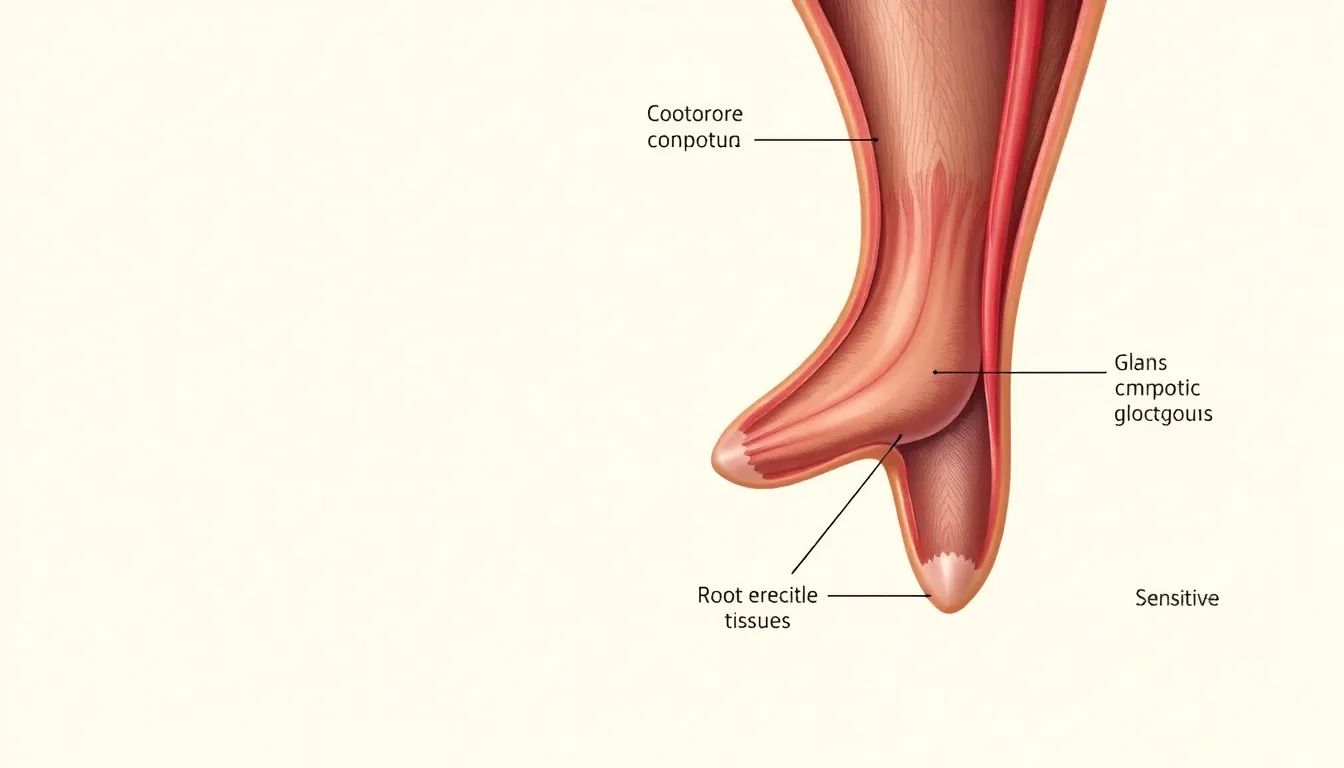
The penis consists of three main parts: the root, the body, and the glans.
- Root connects the penis to the pelvic bones.
- Body contains the erectile tissues, allowing for rigidity during erection.
- Glans is the sensitive tip, housing numerous nerve endings.
The penis lacks any bony structure, distinguishing it from species with a baculum, such as some primates and rodents.
The Role Of Erectile Tissue
Erectile tissue plays a crucial role in penis function.
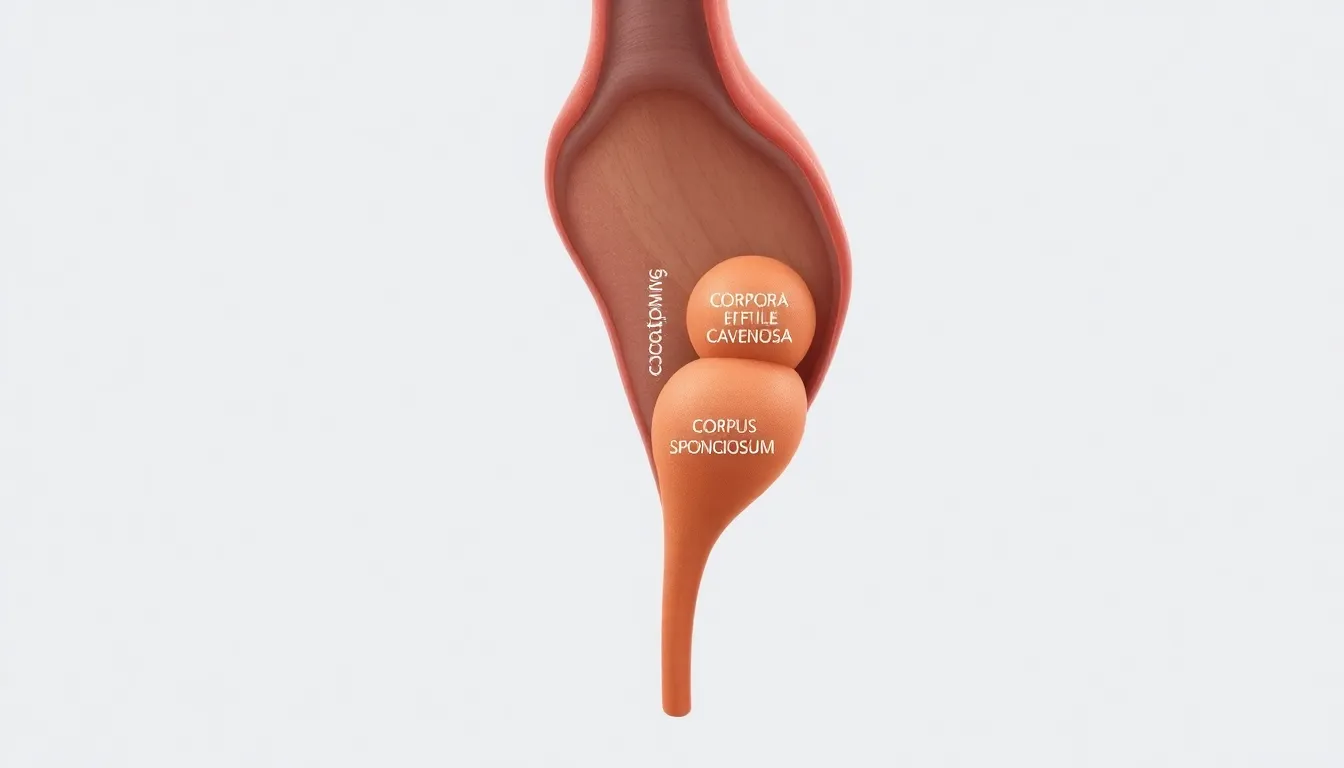
- Corpora Cavernosa: Two cylindrical bodies run along the top of the penis. They fill with blood during arousal, causing an erection.
- Corpus Spongiosum: This single structure surrounds the urethra and expands at the glans. It remains pliable to keep the urethra open during erection.
Both types of erectile tissue work together to achieve erection, emphasizing the penis’s unique anatomical design without bones.
Myths And Misconceptions
Many believe that the penis contains a bone, leading to confusion regarding human anatomy. This misconception often arises from comparisons with other mammals that possess a baculum.
Common Beliefs About Penis Composition
- Some think the penis contains a solid bony structure, similar to the baculum found in many animals.
- Others assume that all species share similar anatomical features, including bone in the penis.
- Many believe that a hard erection indicates the presence of bone, rather than understanding the role of soft tissues and blood flow.
Scientific Clarifications
- Humans lack a baculum, a bone found in various mammals, illustrating the anatomical differences across species.
- The penis comprises soft tissues, including three erectile bodies: the corpora cavernosa and the corpus spongiosum, rather than any bones.
- Erection occurs through blood flow filling the erectile tissues, making rigidity possible without a bony framework.
Exploring The Term “Bone”
Bone is a rigid organ that forms part of the human skeleton, providing structure, protection, and support. Bones consist of a dense matrix of mineralized tissue, primarily calcium phosphate, which gives them strength and rigidity.
Definition And Characteristics Of Bone
Bone is a specialized connective tissue characterized by its hardness and mineral composition. It serves several functions, including:
- Support: Provides structural framework for the body.
- Protection: Encases vital organs, such as the heart and brain.
- Movement: Facilitates movement by serving as attachment points for muscles.
- Mineral Storage: Stores essential minerals like calcium and phosphorus.
- Blood Cell Production: Houses bone marrow, which generates blood cells.
Bones consist of two main types: cortical (compact) bone, which forms the outer layer, and trabecular (spongy) bone, found within the interior. These structures differ from soft tissues in terms of composition and function.
Comparing Bones To The Penis Structure
The penis structure fundamentally differs from bones due to its composition and function. Key distinctions include:
- Material Composition: Bones are composed of mineralized tissue, while the penis consists of soft tissues, blood vessels, and muscles.
- Structural Function: Bones support the body’s framework, whereas the penis facilitates sexual reproduction through blood engorgement, leading to an erection.
- Mobility and Rigidity: Bones provide rigidity and strength, but an erection results from engorged erectile tissues, not bony support.
- Presence of Baculum: Some mammals possess a baculum, a bone that aids in reproductive functions, but humans lack this structure entirely.
Understanding these differences highlights the unique anatomy of the human penis and dispels myths about its structural composition.
Implications And Cultural Perspectives
Cultural perspectives surrounding human anatomy often shape beliefs about the penis. Understanding historical views and the impact of myths reveals their significance in sexual health.
Historical Views On Male Anatomy
Historical beliefs about male anatomy significantly influenced perspectives on the penis. Ancient civilizations, such as the Greeks and Egyptians, often ascribed symbolic meanings to the penis, associating it with virility and power. Early medical texts sometimes described the penis in terms that implied a bony structure, contributing to the misconception of a penis as a bone. The lack of accurate anatomical knowledge led to various myths and misunderstandings, affecting societal views on masculinity and sexuality.
The Impact Of Myths On Sexual Health
Myths about penis composition can adversely affect sexual health. Misconceptions may lead to unrealistic expectations regarding performance and bodily functions. For instance, believing that an erect penis must contain a bone can instill unnecessary anxiety in males, potentially impacting confidence and sexual encounters. Additionally, these myths can hinder open discussions about sexual health, causing individuals to avoid seeking medical advice or education. By debunking these misconceptions, individuals can foster a more informed understanding of reproductive health, leading to improved sexual wellness and communication.
Understanding that the human penis lacks a bone structure is crucial for dispelling myths and misconceptions. This knowledge not only clarifies human anatomy but also fosters healthier conversations about sexual health. Recognizing the role of soft tissues in the penis’s function can alleviate anxiety and promote a more informed perspective on reproductive biology.
By addressing these misunderstandings, individuals can better appreciate the complexities of human anatomy and the differences that exist across species. Embracing accurate information helps cultivate a more open dialogue about sexual wellness, ultimately contributing to improved health and communication in relationships.