
Table of Contents
ToggleLock screens on iPhones can feel like a digital fortress, keeping your precious device safe but also adding a layer of annoyance. Ever find yourself staring at a lock screen that’s more of a puzzle than a gateway? If so, it’s time to reclaim your iPhone’s simplicity.
Understanding Lock Screens on iPhone
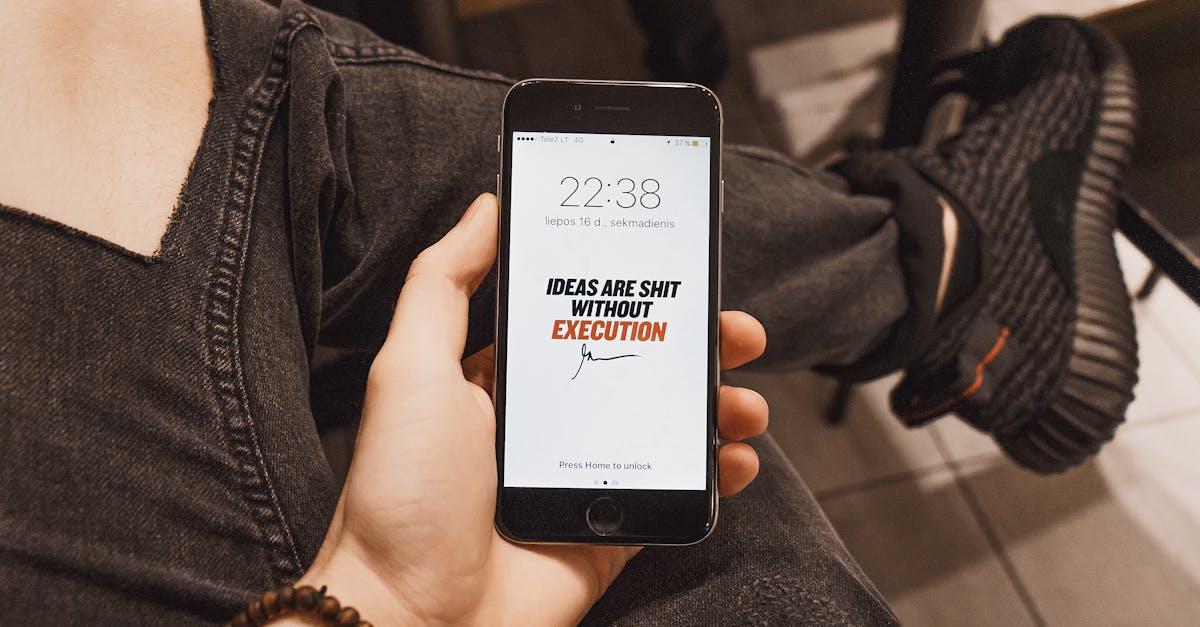
Lock screens on iPhone serve multiple purposes, primarily enhancing security and providing quick access to essential information. Users can see notifications, date, and time without unlocking the device. Various customization options allow for a personal touch, making each lock screen unique.
The default lock screen features a blurred background with a clock and alarm settings. Changes can include selecting different wallpapers or adjusting widget settings. Customization options vary and can cater to individual preferences.
In addition to aesthetics, the lock screen functionality includes notifications from apps. Notifications appear in a streamlined format, providing a sneak peek of messages and alerts without accessing the app. Users can interact with these notifications directly, depending on their settings.
Control Center access remains vital for quick actions. Through swiping gestures on the lock screen, users can adjust settings like Wi-Fi, Bluetooth, or music without unlocking, enhancing convenience. This feature is particularly useful during busy moments.
Security measures, like Face ID or Touch ID, further protect the device. These biometric options ensure only authorized users can unlock their iPhones, maintaining privacy. Password and PIN options remain available for added security.
Understanding these elements helps users appreciate the balance between convenience and security on their iPhone lock screens. Simplifying one’s lock screen can elevate the overall user experience, making it easier to navigate through daily tasks.
Methods to Delete Lock Screens
Several methods exist for deleting lock screens on an iPhone. Users can explore these options to simplify their device experience.
Using Settings App
Accessing the Settings app offers a straightforward way to delete lock screens. Open the app and tap on “Wallpaper.” Choose the “Choose a New Wallpaper” option, then select a different image or turn off the lock screen wallpaper by selecting “None.” Users can also visit “Display & Brightness” to adjust the appearance of the lock screen. Finally, when adjustments are made, they become effective immediately, allowing for a more personalized lock screen experience.
Using iTunes/Finder
Using iTunes or Finder provides an alternative method for deleting lock screens on an iPhone. Connect the device to a computer with a USB cable. Open iTunes or Finder and select the iPhone from the list. Users can then choose the “Summary” tab and click on “Restore Backup” to revert settings to a previous backup, which may eliminate the current lock screen setup. This method helps restore configurations, including any desired lock screen changes or deletions.
Troubleshooting Common Issues
Lock screens on iPhones can present challenges during customization. Resolving these issues often requires specific steps or checks.
Lock Screen Not Deleting
When the lock screen doesn’t delete, several factors may cause the problem. First, ensure the wallpaper settings are correctly updated. Sometimes, users overlook applying changes after making selections in the Settings app. Verify that the correct wallpaper option is selected and confirm the action. If the problem persists, restarting the iPhone often resolves minor glitches. Restarting refreshes the system and may apply pending changes. Consider checking for software updates as well. Outdated software can cause unexpected behavior. Updating the device can fix bugs.
Unable to Access Settings
If accessing settings presents difficulties, a few troubleshooting steps can help. Confirm that the iPhone isn’t frozen. If it is, force restart the device to regain control. Additionally, users might experience this issue due to restricted settings, especially on devices with parental controls enabled. Disable any restrictions to regain full access. If those steps fail, reset settings can provide another solution. This action doesn’t erase personal data but restores default configurations. Users should approach this cautiously and consider backing up important data.
Tips for Managing Lock Screens
Managing lock screens on an iPhone enhances user experience significantly. Customizing lock screen wallpaper can give a fresh look, making it visually appealing. Users achieve this through the Settings app, allowing quick changes to the wallpaper without hassle.
Organizing widgets on the lock screen provides easy access to vital information. Adding widgets like weather, calendar, or music can streamline daily use. Swiping down reveals notifications, enabling direct interaction without unlocking the device.
Resetting a lock screen might be necessary if it encounters issues. Restarting the iPhone can often resolve minor problems when a screen doesn’t delete correctly. Ensuring the iPhone runs the latest software prevents glitches that may arise due to outdated systems.
Checking parental control settings might be necessary for users facing access issues. Restrictions can limit changes to lock screens, so disabling them frees up customization options. Exploring accessibility settings may also offer solutions to ease navigation.
Backups can be critical before making changes or resetting settings. Users risk losing important data without a backup, making it essential to protect personal information. Following these tips not only enhances the lock screen experience but also maximizes the iPhone’s functionality.
Deleting or customizing lock screens on an iPhone can significantly enhance the user experience. By simplifying access and personalizing settings users can create a more efficient and enjoyable interaction with their devices. Whether opting to change wallpapers or adjust widget settings the process is straightforward and can be tailored to individual preferences.
Addressing common issues and following troubleshooting steps ensures a smooth transition when managing lock screens. With the right approach users can strike the perfect balance between security and convenience while enjoying a more streamlined interface. Embracing these tips empowers users to take full control of their iPhone lock screens, making daily use more intuitive and satisfying.