
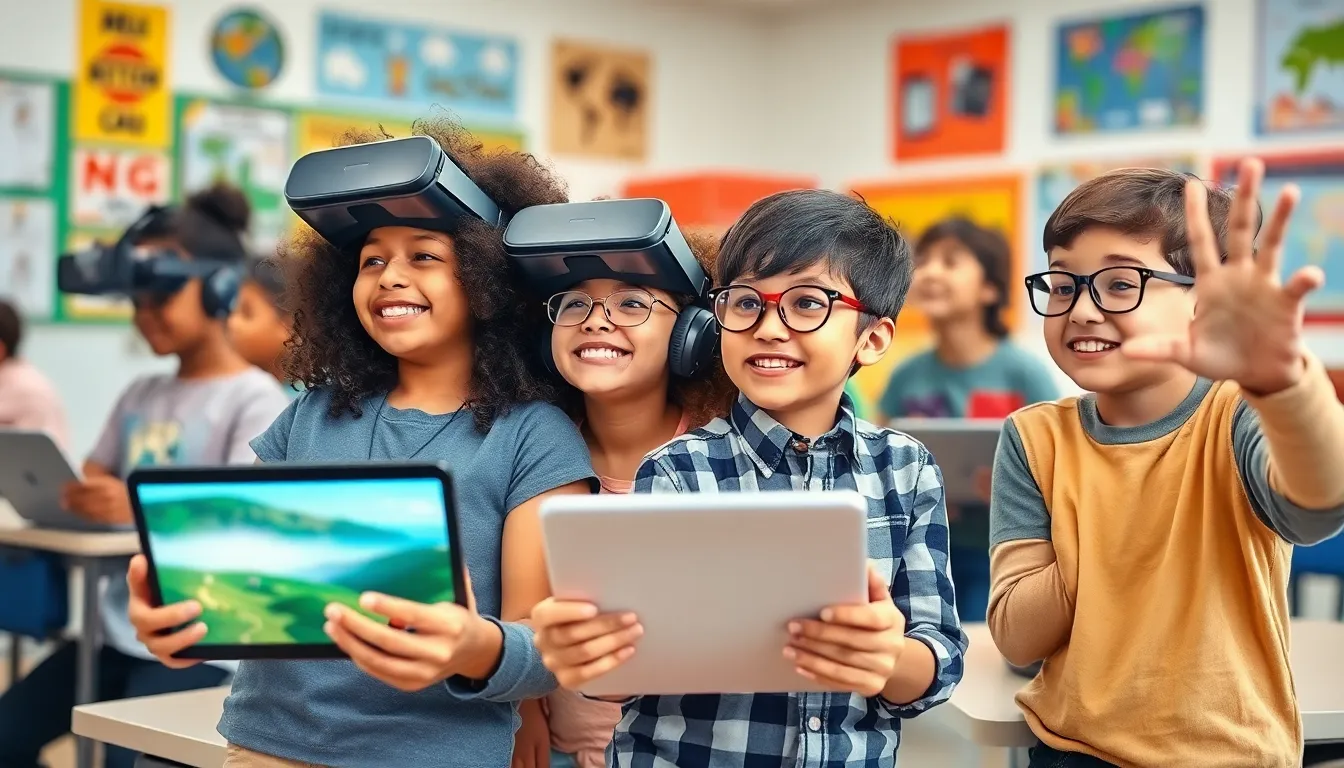
In a world where smartphones can practically do your laundry, it’s no surprise that educational technology is shaking up the classroom. Gone are the days of dusty chalkboards and endless lectures. Today’s students are diving into a digital wonderland where learning is as engaging as scrolling through social media. Imagine a classroom where virtual reality transports kids to ancient civilizations or where interactive apps make math feel like a game.
Overview of Educational Technology
Educational technology encompasses tools, systems, and methodologies that enhance learning. Various resources like online courses, educational apps, and digital assessments facilitate access to information. Many learning management systems streamline course delivery and provide analytics, enabling educators to track student progress.
Emerging technologies, such as artificial intelligence and machine learning, personalize educational experiences. Customized learning paths align with individual student needs and preferences. Virtual reality immerses students in interactive environments, transforming concepts into tangible experiences.
Collaborative platforms enable real-time communication and project sharing. Students engage with peers around the globe, enriching their learning experiences. Gamification encourages participation through rewards and challenges, motivating students to remain active in their education.
Additionally, the proliferation of devices like tablets, smartphones, and computers increases accessibility to educational content. With high-speed internet, remote learning opportunities expand beyond geographical limitations. This approach ensures that diverse populations can benefit from quality education at their convenience.
Furthermore, educational technology fosters the development of critical skills needed for future careers. Digital literacy, creativity, and collaboration emerge as essential competencies in today’s job market. Institutions that integrate technology into their curricula prepare students for success in a digital world.
Finally, the evolving landscape of educational technology signifies a commitment to continuous improvement. By embracing innovative solutions, educators aim to create engaging, effective, and inclusive learning environments.
Benefits of Educational Technology
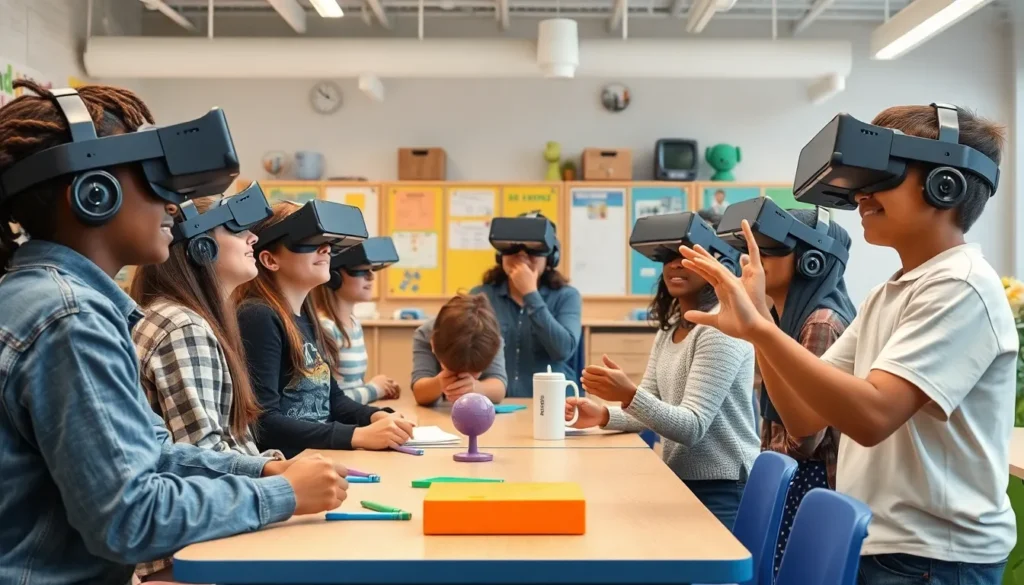
Educational technology significantly enhances learning and access to resources. It provides innovative methods to engage students and improve educational outcomes.
Enhanced Learning Experiences
Interactive tools such as virtual reality and educational apps transform traditional learning. Students immerse themselves in rich, engaging environments that bolster retention and understanding. These technologies facilitate personalized learning, catering to individual student needs. Teachers can integrate multimedia resources, making topics more relevant and relatable. Collaborative platforms enable real-time communication, fostering teamwork and creativity among students. Gamification features motivate students through challenges and rewards, making learning enjoyable.
Increased Accessibility
Online courses and digital resources extend educational opportunities to diverse populations. Geographic barriers diminish as high-speed internet connects learners globally. Students access information anytime, enhancing their learning experience. Furthermore, educational technology accommodates different learning styles and paces, ensuring inclusivity. Those with disabilities benefit significantly from adaptive tools designed to meet their specific needs. Learning management systems track progress, providing valuable insights for educators to support students effectively.
Challenges in Implementing Educational Technology
Implementing educational technology faces several challenges, recognizing that effective integration remains a complex process.
Technical Limitations
Technical limitations often hinder the implementation of educational technology. Many schools lack reliable internet access and sufficient hardware. These deficiencies restrict educators from utilizing innovative tools to enhance learning experiences. Budget constraints often force institutions to prioritize essential resources over technology upgrades. Without adequate training, educators may struggle to maximize the potential of available tools. Additionally, integrating various software platforms can lead to compatibility issues, making management difficult. Technical support might also be lacking, complicating the resolution of problems when they arise.
Resistance to Change
Resistance to change commonly appears among educators and administrators. Some educators fear that technology undermines traditional teaching methods. Others express concern about the effectiveness of these new approaches in meeting diverse student needs. Administrators may hesitate to invest in technology without clear evidence of its benefits. Overcoming this resistance requires demonstrating the advantages of technology through successful case studies. Engaging training sessions can help address apprehension and boost confidence in using new tools. When stakeholders witness positive outcomes, they become more open to embracing changes in their teaching methodologies.
Future Trends in Educational Technology
Educational technology continues to evolve, with significant trends shaping its future. Innovations in learning tools promise enhanced educational experiences for students and educators alike.
Artificial Intelligence in Education
Artificial intelligence (AI) personalizes learning experiences, adapting to individual student needs. Intelligent tutoring systems provide tailored assistance, helping students grasp challenging concepts. Data analytics from AI tools enables educators to track progress, pinpoint learning gaps, and customize strategies effectively. Chatbots offer instant support, answering questions outside classroom hours. These advancements foster student engagement, increasing overall motivation and participation in learning activities.
Virtual and Augmented Reality
Virtual and augmented reality (VR and AR) transform traditional learning environments into immersive experiences. Through VR, students can explore historical sites or conduct complex science experiments without leaving the classroom. AR overlays digital information onto the physical world, enhancing real-time learning. Interactive simulations foster a hands-on approach, making abstract concepts more concrete. This technology promotes active participation and deeper understanding, facilitating collaboration among students and enriching the educational journey.
Educational technology is revolutionizing how students learn and interact with information. By integrating innovative tools and methodologies into classrooms, it fosters a more engaging and personalized learning experience. As technology continues to evolve, its potential to enhance education only grows.
Despite the challenges faced in implementation, the commitment to leveraging these advancements is crucial. The future of education lies in embracing these tools to create inclusive and effective environments. With the right support and resources, educational technology can bridge gaps and empower learners worldwide, preparing them for the demands of an ever-changing job market.