

In a world where the classroom is evolving faster than a student can say “Wi-Fi,” edtech tools are the superheroes we never knew we needed. They swoop in to save the day, transforming mundane lessons into interactive adventures that even the most distracted student can’t resist. Gone are the days of chalk dust and overhead projectors; now it’s all about engaging apps and collaborative platforms that make learning as exciting as a viral cat video.
Overview of Edtech Tools
Edtech tools significantly reshape how education operates today. These resources cater to diverse learning styles, fostering engagement and increasing understanding. Learning management systems streamline administrative tasks, such as grading and attendance tracking, which enhances efficiency for educators. Interactive applications draw students into the learning process, fostering critical thinking and collaboration.
Collaboration platforms enable real-time communication between students and teachers, promoting a sense of community. Gamification incorporates game-like elements, making lessons more compelling and motivating students to participate. Assessment tools provide instant feedback, allowing both educators and students to track progress and identify areas for improvement.
Data analytics tools compile educational data, helping institutions make informed decisions about curriculum and instruction. Adaptive learning technologies personalize content based on individual learning patterns, ensuring students receive tailored support. Virtual reality applications immerse students in dynamic learning environments, enhancing their understanding of complex concepts through experiential learning.
Video conferencing tools facilitate remote learning, breaking geographical barriers and expanding access to quality education. Content creation tools empower students to express ideas creatively, fostering collaboration and innovation. Edtech tools significantly enhance the educational experience, transforming how knowledge is delivered and absorbed, ultimately preparing learners for a technology-driven world.
Types of Edtech Tools
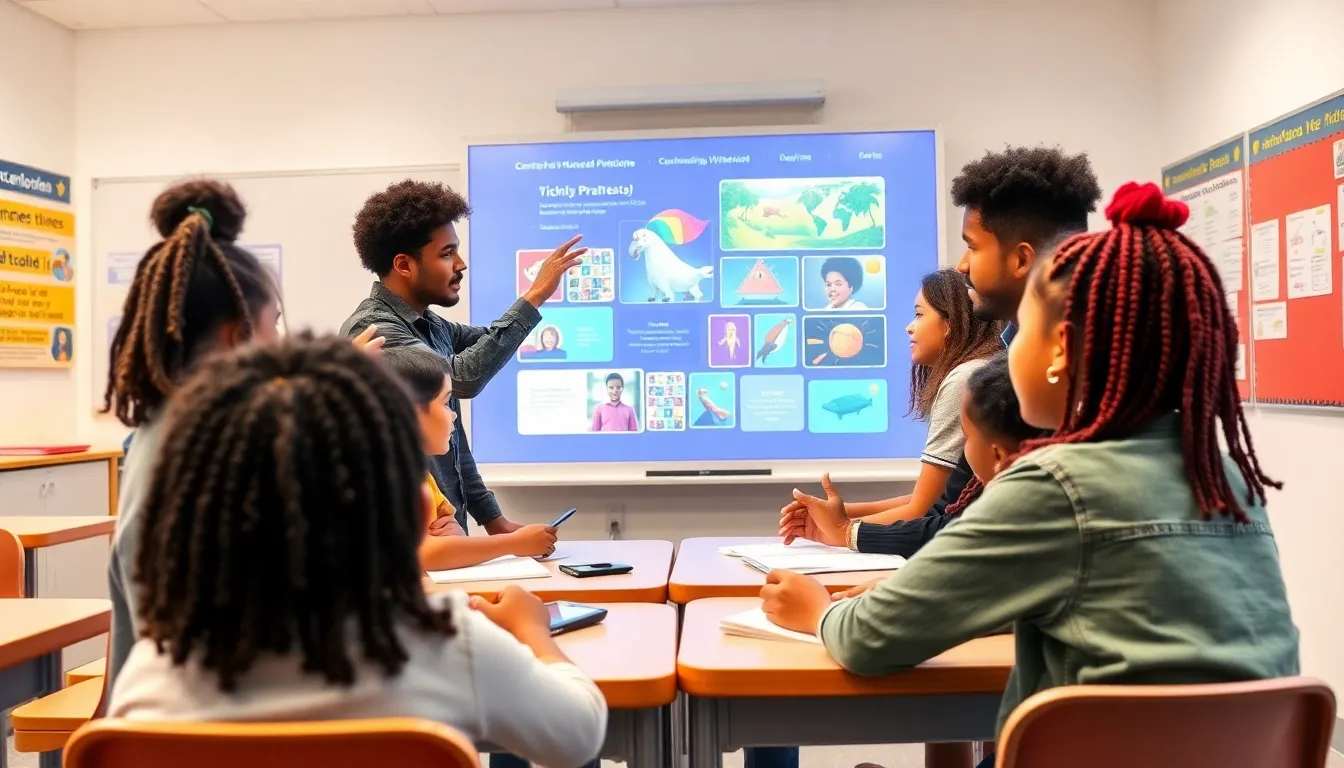
Edtech tools come in various forms, each serving distinct purposes that enhance educational experiences. Understanding these types helps institutions and educators make informed decisions.
Learning Management Systems (LMS)
Learning Management Systems are essential for creating, managing, and delivering educational courses. These platforms enable educators to organize content efficiently, track student progress, and streamline administrative tasks. Popular LMS options include Canvas, Blackboard, and Moodle. They also facilitate communication between instructors and students, enhancing engagement through features like discussion forums and announcements. Institutions can customize LMS to meet their specific needs, ensuring an optimal learning environment.
Interactive Whiteboards
Interactive Whiteboards transform traditional classrooms into dynamic learning spaces. By integrating multimedia elements, these boards allow educators to present lessons interactively, engaging students in real-time. Teachers can annotate content, share resources, and involve students directly through touchscreen features. Such interactivity caters to various learning styles, promoting participation and collaboration among students. Popular brands like SMART and Promethean notably enhance classroom instruction, making learning more compelling.
Assessment Tools
Assessment Tools provide valuable insights into student performance and learning outcomes. These tools range from formative assessments like quizzes and polls to summative assessments such as standardized tests. Educators can use platforms like Kahoot, Quizlet, and Google Forms to create interactive assessments that engage learners. Instant feedback helps students understand their progress and areas for improvement. With robust data analytics, these tools support educators in refining instructional strategies and ensuring mastery of subjects.
Benefits of Using Edtech Tools
Edtech tools offer several advantages that enhance the educational experience. These tools engage learners, promote individualized education, and expand access to quality resources.
Enhanced Engagement
Interactive applications grab students’ attention. Multimedia content, such as videos and simulations, fosters deeper understanding. Gamification elements introduce fun competition, motivating students to participate actively. Collaborative platforms allow real-time communication and teamwork, creating an immersive learning environment. Resources designed for various learning styles cater to engagement, helping students connect with topics more effectively.
Personalized Learning
Adapting learning experiences to individual student needs boosts comprehension. Adaptive technologies assess students’ progress and adjust content accordingly, ensuring each learner receives appropriate challenges. Personalized feedback helps students understand their strengths and weaknesses, guiding further study. Learning management systems also track achievements, allowing educators to tailor instruction to each student’s pace and preferences. This customization leads to improved outcomes and student satisfaction.
Increased Accessibility
Access to quality educational materials becomes easier through edtech tools. Online platforms reach students in remote areas, breaking geographical barriers. Mobile applications allow learning on-the-go, accommodating busy schedules. Those with disabilities benefit from specialized tools that enhance interaction. Virtual classrooms enable participation regardless of location, ensuring inclusivity in education. All these factors contribute to a more equitable learning landscape.
Challenges in Implementing Edtech Tools
Adopting edtech tools presents several challenges that institutions face during integration. These barriers can hinder effective utilization and limit potential benefits.
Technical Issues
Technical problems often arise during the deployment of edtech tools. Issues with software compatibility can disrupt functionality across devices. Connectivity difficulties may prevent access to essential resources, impacting learning opportunities. Security concerns can lead to hesitation in adopting new technologies. Additionally, inadequate infrastructure restricts the full use of advanced tools which decreases engagement. Ensuring both reliability and security requires ongoing technical support and updates.
Teacher Training
Training teachers effectively presents another significant challenge. Many educators lack familiarity with new technologies, leading to discomfort in their usage. Inadequate training programs can result in inconsistent implementation across classrooms. Effective teacher development focuses on hands-on experience, enabling educators to integrate tools seamlessly into their teaching. Continuous professional development ensures sustained improvement and confidence in using edtech tools. Aligning training with specific educational strategies can foster better learning environments.
Edtech tools are revolutionizing the educational landscape by fostering engagement and accessibility. As classrooms evolve, these technologies provide innovative ways for students to learn and collaborate. The shift from traditional methods to interactive platforms not only enhances understanding but also prepares learners for a technology-driven future.
While challenges in implementation exist, such as technical issues and the need for teacher training, the benefits far outweigh the hurdles. By embracing these tools, educators can create dynamic learning environments that cater to diverse needs. The ongoing integration of edtech tools promises to shape a more equitable and effective educational experience for all.