

In a world where textbooks are taking a backseat to tablets, the rise of edtech is nothing short of revolutionary. It’s like giving a classroom a turbo boost, turning mundane lessons into interactive adventures. Gone are the days of students nodding off during lectures; now they’re engaged, excited, and maybe even a little too attached to their screens.
Edtech isn’t just about fancy gadgets; it’s about transforming the way knowledge is shared and consumed. Whether it’s gamified learning platforms or virtual reality classrooms, this tech-savvy approach makes education more accessible and fun. So, buckle up and get ready to explore how edtech is reshaping the future of learning—because who said education can’t be a blast?
What Is Edtech?
Edtech, short for educational technology, refers to the use of technology to facilitate and enhance learning experiences. It incorporates tools, applications, and platforms that aid educators in delivering instruction and support student engagement. Examples include learning management systems, mobile apps, and virtual classrooms.
Students benefit from edtech as it customizes learning experiences to meet their individual needs. Adaptive learning software adjusts content based on performance, ensuring that every student progresses at their own pace. Gamified elements in learning tools foster motivation and participation, transforming routine lessons into enjoyable adventures.
Instructional flexibility characterizes edtech. Online resources allow students to learn anytime and anywhere, breaking traditional barriers of time and space. This accessibility is crucial for diverse learning environments, where personalized education for every learner becomes possible.
Educators are essential players in the edtech landscape. They utilize these technologies to monitor student performance, create interactive lessons, and provide immediate feedback. Collaboration tools enhance communication between teachers and students, promoting a more connected and engaging learning community.
Moreover, edtech includes significant innovations such as artificial intelligence and virtual reality. Artificial intelligence streamlines administrative tasks and enhances personalized learning experiences. Virtual reality immerses students in dynamic, interactive environments, enabling hands-on exploration in subjects like science or history.
Edtech encapsulates a wide array of tools and methodologies that reshape traditional education. Its impact grows as educators increasingly adopt technology to create transformative learning scenarios.
The Evolution of Edtech
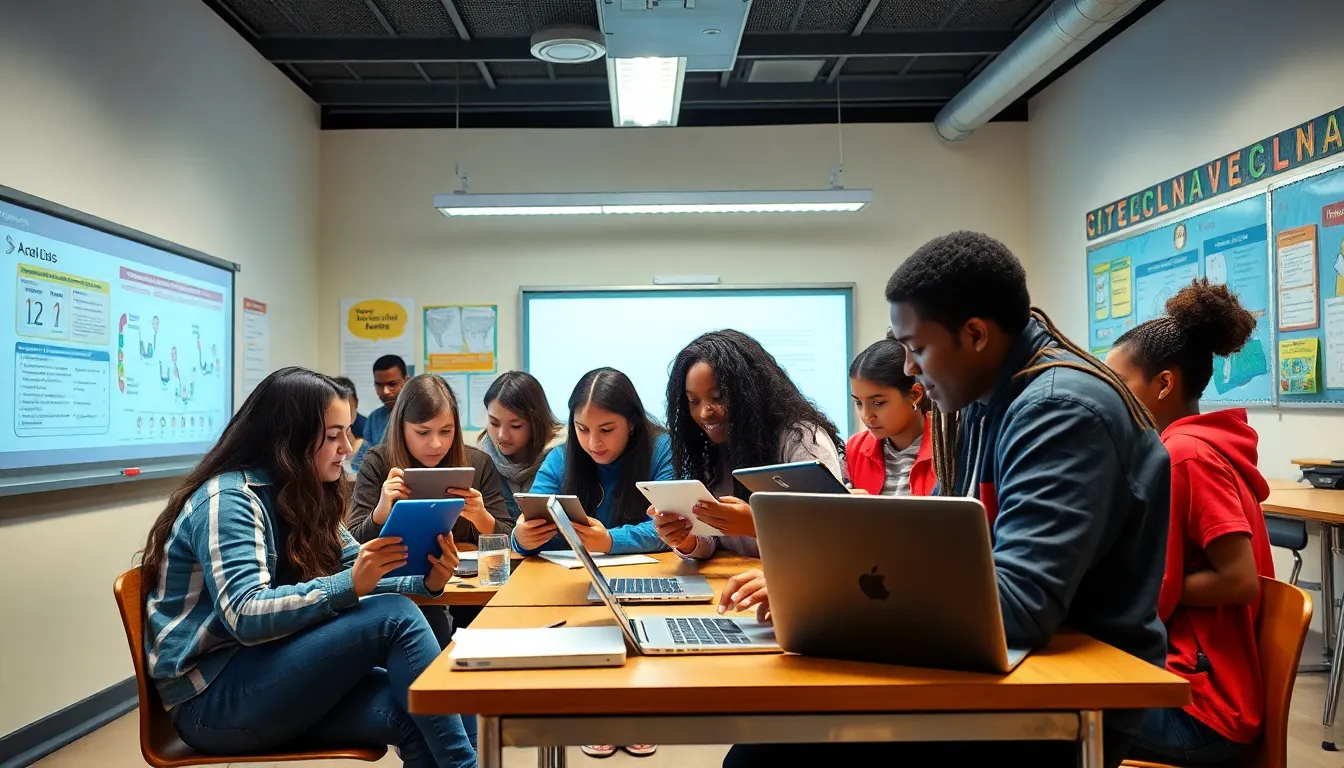
Edtech has experienced significant growth and transformation over the years. This evolution reflects the changes in teaching methodologies and the integration of technology into learning environments.
Historical Context
Edtech roots trace back to the early 20th century with the introduction of films and radio in classrooms. These formats laid the groundwork for multimedia applications that followed. The 1960s saw the emergence of computer-assisted instruction, providing a new way for students to engage with learning material. With the rise of personal computers in the 1980s, educational software became more accessible, further shaping how educators approached lesson delivery. By the early 2000s, the internet facilitated online learning platforms, allowing education to reach wider audiences.
Recent Advancements
Recent developments in edtech focus on personalized learning experiences and the integration of advanced technologies. Artificial intelligence plays a crucial role by analyzing student performance in real time, adapting content when necessary. Learning management systems have also seen enhancements, offering robust analytics for educators. Gamification has gained popularity, making education more interactive and enjoyable. Virtual reality applications now create immersive learning environments, expanding possibilities for experiential learning. Innovations like mobile apps allow for learning on the go, further enhancing accessibility for students.
Key Components of Edtech
Edtech integrates various components that enhance the learning experience. These crucial elements include learning management systems and interactive learning tools, which play significant roles in modern education.
Learning Management Systems
Learning management systems (LMS) streamline educational processes and improve accessibility. They provide centralized platforms for course materials, assessments, and communication. Educators can monitor student progress and performance through analytics features. Students access resources anytime, enabling flexible learning options. The most effective LMS allow for personalization, adapting content to the individual needs of learners. Examples of popular systems include Canvas, Moodle, and Blackboard. These platforms not only facilitate learning but also foster collaboration among students and teachers, enhancing educational engagement.
Interactive Learning Tools
Interactive learning tools elevate student engagement by making lessons more immersive. Gamified applications capture attention while promoting active participation in the learning process. Tools such as quizzes, simulations, and virtual reality offer diverse ways for students to absorb information. Interactive whiteboards enable collaborative activities in real time, fostering teamwork and creativity. Additionally, platforms like Kahoot and Nearpod help teachers create dynamic lessons that cater to different learning styles. Overall, these tools encourage exploration and experimentation, transforming education into a more captivating experience.
Benefits of Edtech in Education
Edtech transforms education by providing numerous benefits. Enhanced accessibility and personalized learning experiences demonstrate its impact on students and educators.
Enhanced Accessibility
Edtech tools broaden access to educational resources. Students in remote areas can connect with instructors through online platforms. Those with disabilities benefit from specialized software and applications tailored to their needs. Mobile devices increase learning opportunities anywhere, anytime, particularly for those managing different schedules. Technologies like video conferencing facilitate real-time interaction, fostering inclusivity for all learners. With adaptive content delivery, users can easily obtain resources that align with their learning styles, making education more readily available.
Personalized Learning Experiences
Personalized learning thrives in an edtech environment. By utilizing adaptive learning technologies, curricula adjust automatically based on student performance. This individualized approach allows learners to progress at their own pace, resulting in increased engagement and retention. Data-driven insights enable teachers to identify specific areas where students excel or struggle, directly informing instruction adjustments. Gamification elements enhance motivation, enticing students through interactive challenges. Overall, personalized experiences in edtech lead to better educational outcomes by catering to diverse learning needs and preferences.
Challenges Facing Edtech
Edtech faces several significant challenges that can hinder its full potential in educational environments. These obstacles range from technical limitations to societal attitudes towards technology adoption.
Technological Barriers
Technological barriers significantly impact the effectiveness of edtech. Many schools lack access to reliable internet connections, making online resources difficult to utilize. Similarly, outdated hardware limits the functionality of modern educational tools. Lack of training for educators contributes to underutilization of technology, preventing teachers from maximizing the benefits of edtech platforms. Moreover, disparities in technology availability create unequal learning opportunities, especially in underserved areas. The integration of cutting-edge tools also requires ongoing maintenance and support, which some institutions may find challenging to provide.
Adoption Resistance
Adoption resistance presents another critical challenge within the edtech landscape. Some educators may hesitate to embrace new technologies due to familiarity with traditional teaching methods. Concerns about student data privacy can also lead to reluctance in adopting certain platforms. Additionally, not all stakeholders understand the long-term benefits of edtech for personalized learning. The fear of increased screen time for students further fuels skepticism regarding technology use in classrooms. As a result, overcoming these barriers involves addressing concerns and demonstrating the tangible advantages of integrating edtech into educational practices.
Future Trends in Edtech
Emerging trends in edtech indicate continued innovation and transformation in education. Technologies like artificial intelligence and virtual reality are at the forefront, reshaping learning experiences.
Artificial Intelligence in Education
Artificial intelligence has started to revolutionize personalized learning. It collects data on student performance, enabling adaptive learning systems to tailor content to individual progress. These systems improve engagement by providing real-time feedback, helping students grasp concepts faster. Educators benefit as AI streamlines administrative tasks like grading and monitoring attendance. Additionally, utilizing data-driven insights, teachers can personalize instruction to meet diverse needs effectively.
Virtual and Augmented Reality
Virtual and augmented reality create immersive learning environments that enhance student engagement. These technologies allow students to explore complex scenarios, from historical events to scientific concepts, in an interactive way. By simulating real-world situations, educators foster experiential learning that promotes critical thinking. Schools can harness VR and AR to provide educational experiences that are otherwise inaccessible. This approach keeps students motivated by making learning enjoyable and visually impactful.
The evolution of edtech is reshaping the educational landscape in profound ways. By integrating technology into learning environments, it enhances engagement and accessibility for students of all backgrounds. The shift from traditional methods to interactive tools fosters personalized learning experiences that cater to individual needs.
As innovations like artificial intelligence and virtual reality continue to emerge, the potential for edtech to transform education grows even stronger. Despite challenges such as technological barriers and resistance to change, the benefits of edtech are undeniable. It not only enriches the learning experience but also prepares students for a future where technology plays an integral role in their education. Embracing this transformation is essential for educators and institutions aiming to create dynamic and inclusive learning environments.