
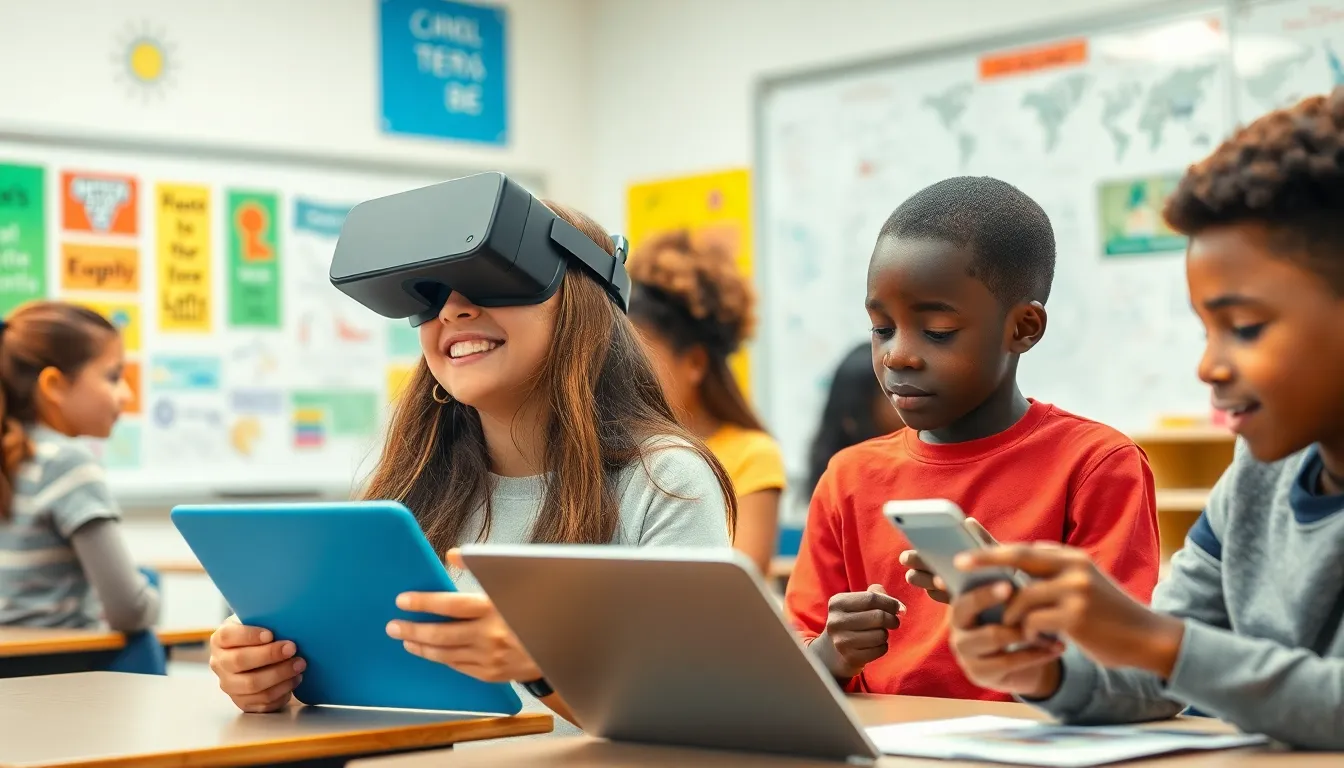
In a world where textbooks are becoming as rare as a unicorn sighting, EdTech innovations are stepping into the spotlight like a rockstar at a sold-out concert. From virtual classrooms that make learning feel like a video game to AI tutors that never need a coffee break, technology is transforming education in ways that are both exciting and downright hilarious.
Imagine students mastering calculus while battling dragons or collaborating on projects in a digital wonderland. These innovations aren’t just about making learning fun; they’re reshaping how knowledge is delivered and consumed. As classrooms evolve into tech-savvy hubs, it’s clear that the future of education is not just bright—it’s dazzling! Buckle up as we explore the latest EdTech trends that are revolutionizing learning for everyone.
Overview of EdTech Innovations
EdTech innovations encompass a range of technologies revolutionizing education. They include platforms and tools leveraging cutting-edge advancements to improve teaching and learning experiences. Virtual classrooms enhance accessibility, allowing learners to engage from anywhere, bridging geographical gaps.
Artificial intelligence plays a crucial role in personalized learning. AI tutors adapt to individual student needs, offering tailored support that traditional methods can’t match. Adaptive learning software adjusts in real-time, ensuring that students receive appropriate challenges and resources based on their performance.
Gamification elements boost motivation and engagement among students. Educational games make learning enjoyable, encouraging participation and collaboration. Interactive content also enhances understanding, as it caters to various learning styles.
Data analytics provides valuable insights into student performance and engagement. Educators use this information to fine-tune their approaches, identifying areas requiring targeted interventions. Tracking progress becomes easier with comprehensive data analysis, supporting continuous improvement in educational methodologies.
Mobile learning applications expand opportunities for continuous education. They allow students to learn at their own pace, integrating study into daily routines. This flexibility empowers learners, promoting lifelong learning habits.
Emerging technologies like virtual reality and augmented reality offer immersive experiences. These technologies create simulations that deepen understanding of complex subjects, providing real-world context. As EdTech continues to evolve, these innovations promise to enrich the educational landscape further.
Key Categories of EdTech Innovations
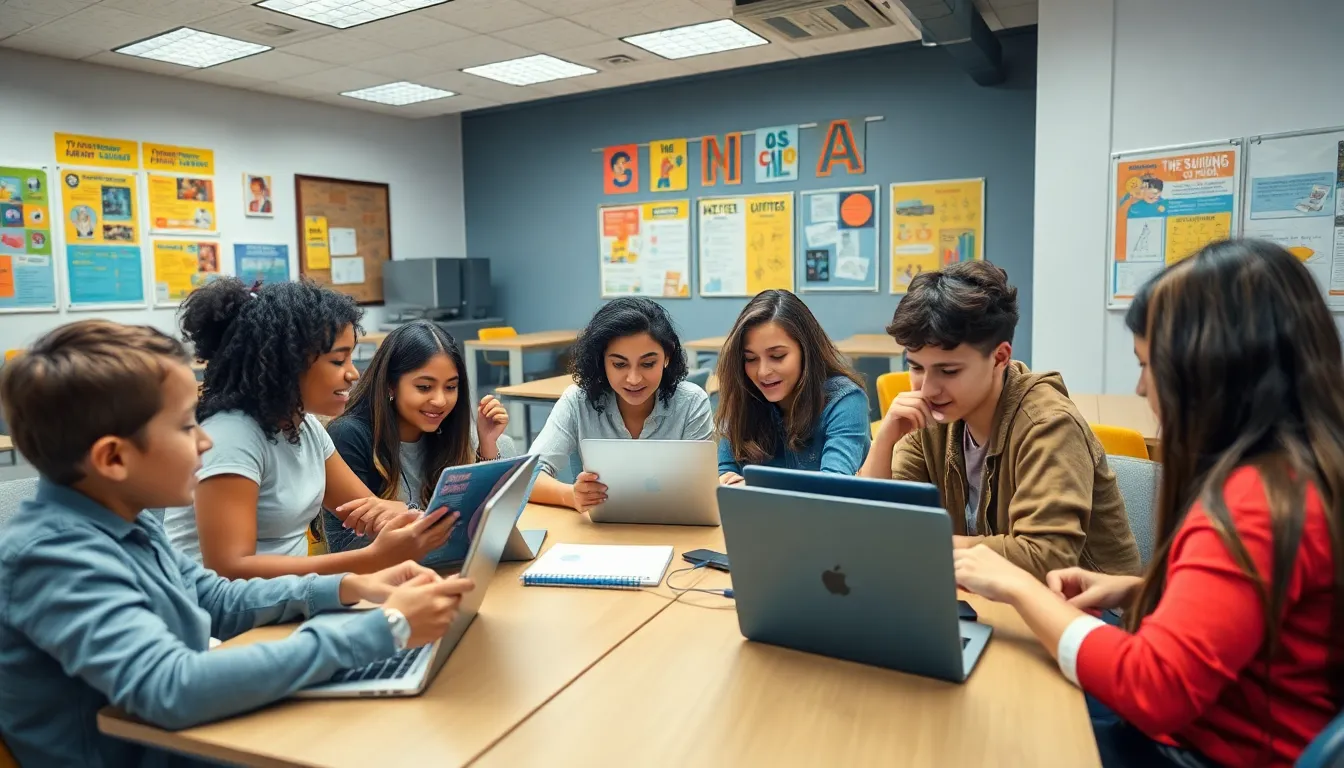


EdTech innovations encompass various categories that enhance the educational experience. Each category plays a crucial role in promoting effective learning.
Learning Management Systems
Learning management systems (LMS) streamline course administration and content delivery. Popular platforms like Canvas and Moodle provide instructors with tools to create, manage, and assess courses easily. These systems enable student engagement through features like discussion forums and quizzes. They also offer analytics that assists educators in tracking student progress and adapting their teaching methods. Integrating LMS with other digital tools fosters a cohesive learning environment. Instructors benefit from saved time and enhanced teaching effectiveness. Students enjoy a centralized hub for all their course materials and resources.
Educational Apps and Tools
Educational apps deliver personalized learning experiences to students of all ages. Tools such as Khan Academy and Duolingo cater to diverse subjects and skills, promoting self-paced learning. These applications often use gamification techniques to motivate users. They provide interactive content that engages learners while allowing teachers to monitor progress. Users can access materials anytime, anywhere, emphasizing flexibility in learning. Many applications include collaborative features, fostering peer discussions and teamwork. The continuous development of educational tools enhances accessibility and encourages lifelong learning habits.
Impact of EdTech Innovations
EdTech innovations significantly reshape educational practices, focusing on engagement and accessibility.
Enhancing Student Engagement
Interactive platforms foster deeper participation among students. Gamified learning activities motivate them to excel, transforming mundane study sessions into exciting challenges. Virtual classrooms provide real-time interaction, encouraging peer collaboration that enhances understanding. Various multimedia resources deliver content in multiple formats, catering to diverse learning preferences. Instant feedback through quizzes and assessments allows learners to track progress and remain engaged. Overall, these innovations create dynamic environments where students thrive.
Improving Accessibility
Online learning tools enhance access for students across various backgrounds. Virtual classrooms eliminate geographical barriers, enabling participation from any location. Mobile learning applications allow users to study on-the-go, promoting flexibility. Rich multimedia content caters to different learning styles, ensuring a broader audience can connect with educational materials. Data-driven insights help educators refine content and support, making learning more inclusive. These advancements ensure that quality education reaches everyone, regardless of circumstances.
Challenges in EdTech Innovations
Challenges exist in effectively implementing EdTech innovations. Successful integration requires addressing various obstacles, including technology adoption, training, and ongoing support.
Technology Integration
Integrating technology into traditional educational frameworks presents difficulties. Schools often face issues with outdated infrastructure that limits access to modern tools. Educators may struggle to navigate an array of platforms, creating inconsistency in student experiences. Instructional continuity can suffer if technology fails during critical lessons, leading to frustration among both teachers and students. Solutions like streamlined platforms could ease this burden, ensuring that all users can efficiently utilize EdTech tools. Checking compatibility between devices and software also becomes crucial in these scenarios. Continuous updates and maintenance are necessary to keep systems functional and relevant.
Teacher Training and Support
Teachers require proper training to maximize the effectiveness of EdTech innovations. Many educators report feeling unprepared to implement technology-driven methods in their classrooms. Ongoing professional development can empower teachers, fostering confidence in using these innovations. Mentorship programs may help provide the necessary support as they adapt to new tools. Regular feedback from peers and administrators can create an environment for growth and improvement. Access to extensive resources ensures teachers remain informed about the latest EdTech trends. These strategies collectively enhance the adoption of new practices, benefiting both educators and their students.
Future Trends in EdTech Innovations
EdTech innovations continue to shape the educational landscape, introducing advanced technologies that enhance learning. Trends indicate a significant rise in the use of Artificial Intelligence and personalized learning experiences.
Artificial Intelligence in Education
Artificial Intelligence (AI) plays a crucial role in modern education. AI tutors provide immediate feedback, helping students understand complex concepts at their own pace. Adaptive learning platforms analyze student performance, adjusting content in real-time to meet individual needs. By using AI algorithms, educators can identify learning gaps and personalize instruction, ensuring no student falls behind. These intelligent systems not only support students but also assist teachers in managing their workloads more efficiently. Through data-driven insights, AI fosters a more engaging and effective learning environment.
Personalized Learning Experiences
Personalized learning experiences empower students to take charge of their education. Tailored content addresses diverse learning preferences, allowing them to study in ways that resonate best. Learning Management Systems facilitate customization by offering various resources that fit individual learning styles. Gamified elements motivate students, turning lessons into enjoyable challenges. Continuous feedback further supports learners, enabling them to track their progress and set achievable goals. With personalized approaches, every student can thrive, paving the way for a more inclusive educational future.