

In a world where the only constant is change, digital learning tools have swooped in like superheroes, ready to save the day. Gone are the days of dusty textbooks and boring lectures. Today’s learners can access a treasure trove of resources at their fingertips, making education not just effective but also fun. Who knew learning could feel like a Netflix binge?
Overview of Digital Learning Tools
Digital learning tools encompass various resources designed to enhance the educational experience. Learning management systems, such as Moodle and Canvas, facilitate course delivery and tracking student progress. These platforms offer functionalities like quizzes, forums, and grading systems, optimizing the learning journey.
Interactive content plays a vital role as well. Tools like Nearpod and Kahoot engage students with real-time quizzes and virtual lessons, encouraging active participation. Through immersive experiences, students interact with rich media, creating memorable encounters.
Video conferencing services, including Zoom and Microsoft Teams, redefine collaboration in education. They enable live discussions, group projects, and guest lectures, breaking geographical barriers. Educators and learners can connect seamlessly, fostering a sense of community regardless of location.
Additionally, mobile applications offer flexibility for learning on the go. Apps such as Quizlet and Duolingo cater to diverse subjects, making study sessions accessible anywhere. Incorporating gamified elements keeps students motivated, promoting a consistent learning habit.
Content creation tools, like Google Docs and Canva, encourage creativity among learners. Students collaborate on projects and presentations, enhancing teamwork skills. These tools simplify the design process, allowing users to convey ideas visually.
Finally, data analytics tools measure learning outcomes effectively. Platforms equipped with analytics capabilities provide educators insights into student performance. By identifying trends and areas needing support, teachers can tailor their instruction, improving overall effectiveness.
Digital learning tools transform education by prioritizing engagement, accessibility, and collaboration. They empower both educators and learners, creating a dynamic and rewarding learning environment.
Benefits of Digital Learning Tools
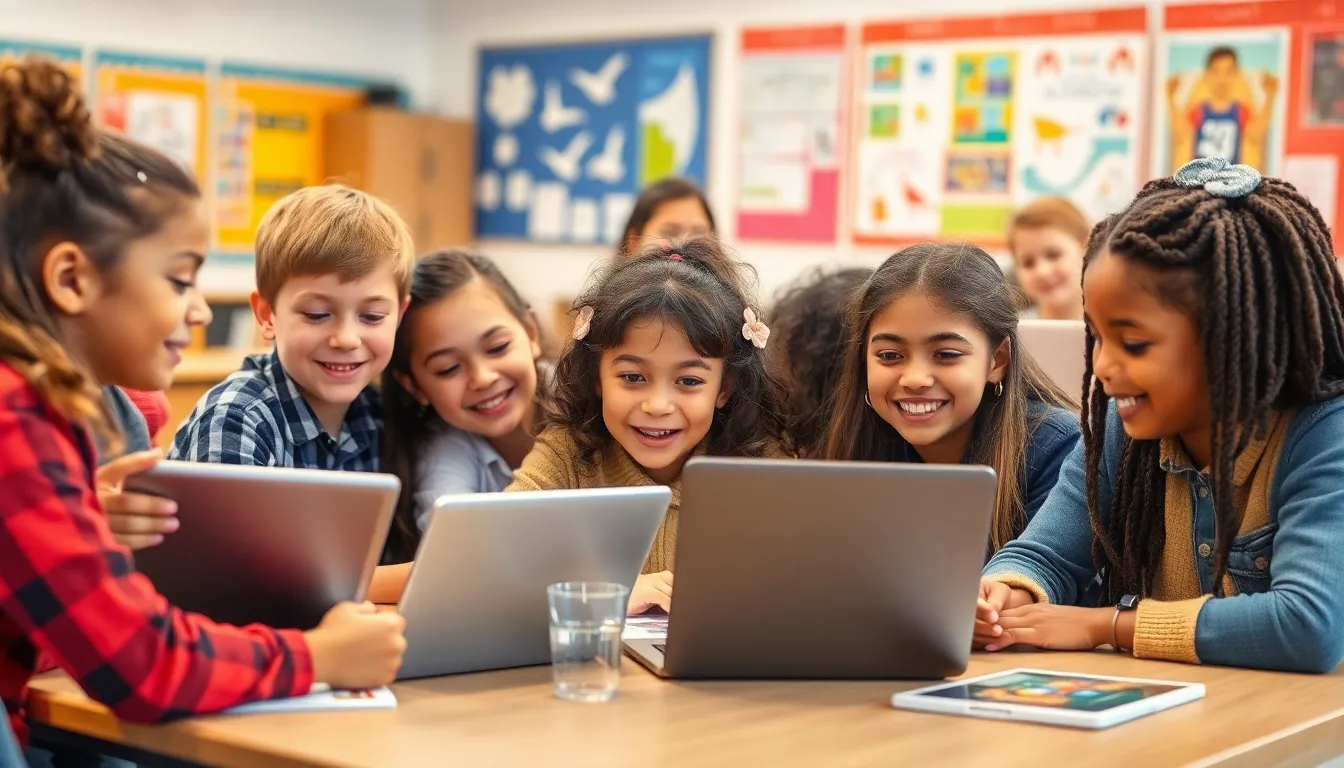
Digital learning tools offer numerous advantages that significantly enhance the educational landscape. These tools foster a more dynamic and interactive learning environment.
Enhanced Engagement
Interactive features of digital learning tools captivate learners’ attention. Gamified elements in applications keep students motivated. Real-time quizzes and virtual lessons encourage participation, turning passive learning into active engagement. Platforms like Kahoot facilitate lively competitions, making learning fun. Engaging visuals and multimedia content appeal to diverse learning styles. Higher engagement levels often lead to improved retention of information. Overall, enhanced engagement shapes a more positive learning experience.
Personalized Learning Experiences
Digital tools enable tailored learning pathways for each student. Adaptive learning systems analyze individual progress, ensuring that content matches skill levels. They provide customized resources, catering to different learning preferences. With tools like Quizlet and Duolingo, students can learn at their own pace. Continuous feedback from these platforms helps educators adjust instruction to meet specific needs. Personalized experiences promote a deeper understanding of subjects. Consequently, this approach fosters student confidence and independence in their educational journey.
Types of Digital Learning Tools
Digital learning tools encompass various resources that enhance the educational experience. They come in multiple forms, each designed to address specific teaching and learning needs.
Learning Management Systems
Learning Management Systems (LMS) streamline course delivery and student progress tracking. Platforms like Moodle and Canvas centralize resources and communications, making it easier for educators to manage classes. Users interact with course materials, submit assignments, and receive feedback all within one interface. With real-time analytics, instructors efficiently monitor student performance and engagement. An effective LMS fosters organization and accessibility, allowing educators to focus more on teaching rather than administrative tasks.
Interactive Multimedia Tools
Interactive multimedia tools captivate learners and promote active engagement. Services like Nearpod and Kahoot integrate quizzes and interactive lessons into the learning process. Students participate actively through real-time polling and visual content, transforming traditional lectures into dynamic experiences. These tools also encourage collaboration, allowing groups to tackle challenges together in an engaging way. By incorporating gamified elements, interactive multimedia tools sustain interest while enhancing understanding.
Assessment and Feedback Tools
Assessment and feedback tools support educators in evaluating student performance effectively. Platforms like Google Forms and Socrative facilitate the creation of quizzes and surveys, providing insight into learning outcomes. Users can receive immediate results, assessing comprehension and areas for improvement. Real-time feedback helps tailor instruction, enabling educators to address specific learning gaps efficiently. Utilizing these tools not only improves assessment accuracy but also empowers students to take ownership of their learning journey.
Challenges of Implementing Digital Learning Tools
Implementing digital learning tools presents specific challenges that can hinder their effectiveness in educational settings.
Accessibility Issues
Accessibility remains a significant challenge for digital learning tools. Not all students possess reliable access to the internet or necessary devices. Disparities in technological resources can lead to unequal learning opportunities. Additionally, some tools may lack features for users with disabilities, limiting their participation. Schools and institutions must prioritize inclusive design, ensuring that tools accommodate various learning needs for all students.
Technical Support and Training
Technical support is essential for the successful use of digital learning tools. Educators often require comprehensive training to navigate new platforms effectively. A lack of ongoing support can lead to frustration and reduced engagement with the tools. Additionally, institutions may struggle to provide adequate resources for troubleshooting technical issues. To enhance efficacy, organizations should invest in robust training programs that empower educators and offer continuous assistance to maximize the benefits of digital learning tools.
Future Trends in Digital Learning Tools
Emerging technologies continue to reshape how educators and students interact with learning materials. Artificial intelligence increasingly personalizes experiences, adapting content to match individual learning styles and paces. Virtual reality creates immersive environments, allowing students to explore complex concepts interactively, enhancing engagement and retention.
Augmented reality sits at the forefront of hands-on learning experiences, seamlessly blending digital elements with the physical world. Analytics tools evolve to provide deeper insights into engagement levels and learning outcomes, enabling educators to make informed decisions for curriculum adjustments. Mobile learning becomes more sophisticated, as apps that incorporate artificial intelligence deliver tailored recommendations based on a student’s performance and needs.
Gamification remains a strong trend, as educators seek ways to make learning fun and competitive. Interactive simulations emerge, giving students practical experiences that reinforce theoretical knowledge. Furthermore, collaborative tools gain traction, allowing students to work together on projects in real time, regardless of their locations.
Accessibility improvements lead to more inclusive platforms that cater to diverse learners. Voice recognition software supports users with disabilities, enabling them to navigate educational content with ease. Institutions invest in comprehensive training, ensuring that educators feel confident when implementing new tools and methodologies.
Sustainability emerges as a consideration, with eco-friendly platforms gaining popularity. Subsequently, institutions prioritize digital and environmental responsibility when selecting educational technologies. As these trends unfold, digital learning tools continue to evolve, reshaping the educational landscape and driving effective learning experiences.
Digital learning tools are revolutionizing education by creating engaging and personalized experiences for learners. They not only enhance accessibility but also foster collaboration and creativity among students. As technology continues to advance, these tools will further evolve, integrating innovative features that cater to diverse learning needs.
While challenges remain, such as accessibility and the need for proper training, the benefits far outweigh the obstacles. Institutions must prioritize investment in training and support to ensure educators can effectively utilize these tools. By embracing digital learning, educators can empower students to thrive in an increasingly digital world, paving the way for a more dynamic and inclusive educational future.