
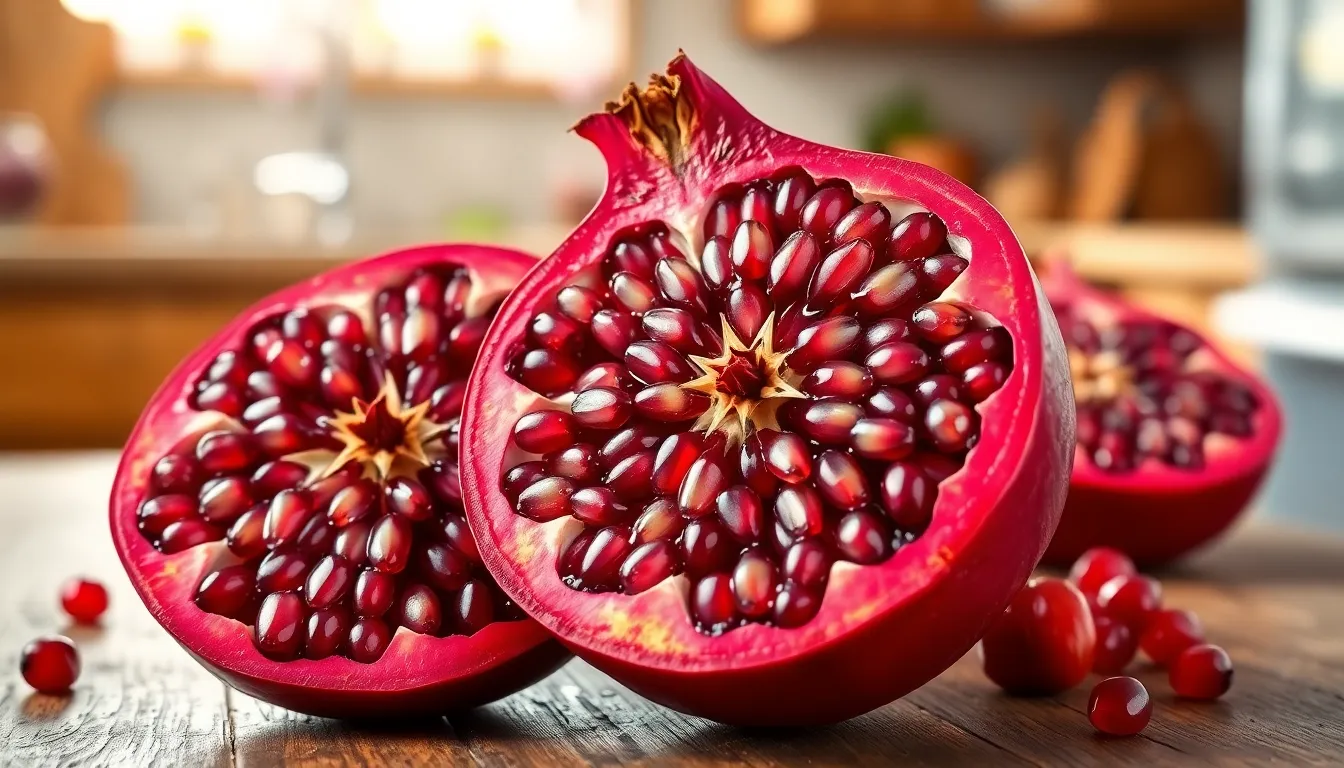
Pomegranates are more than just a stunning addition to any fruit bowl; they’re packed with flavor and nutrients. Often hailed as a superfood, these jewel-like seeds offer a unique taste and a wealth of health benefits. But for those watching their calorie intake, understanding how many calories are in a pomegranate is crucial.
This article dives into the calorie content of pomegranates, revealing how they fit into a balanced diet. Whether you’re snacking on them fresh or incorporating them into recipes, knowing the calorie count helps in making informed choices. Get ready to explore the delicious world of pomegranates and discover how they can enhance both your meals and your health.
Overview of Pomegranates
Pomegranates are nutrient-rich fruits known for their vibrant red color and numerous health benefits. Each fruit typically contains about 234 calories, varying slightly based on size. These calories arise mainly from carbohydrates, particularly sugars.
Pomegranates provide important vitamins and minerals. They contain vitamin C, potassium, and folate. Their high antioxidant content, especially punicalagins and anthocyanins, contributes to their status as a superfood.
The fruit’s unique arils house the edible seeds, which offer both flavor and nutrition. Consuming pomegranates may support heart health, lower inflammation, and enhance cognitive function. They fit well into diverse diets, whether consumed raw, juiced, or as an ingredient in salads and desserts.
Nutritional Profile of Pomegranates
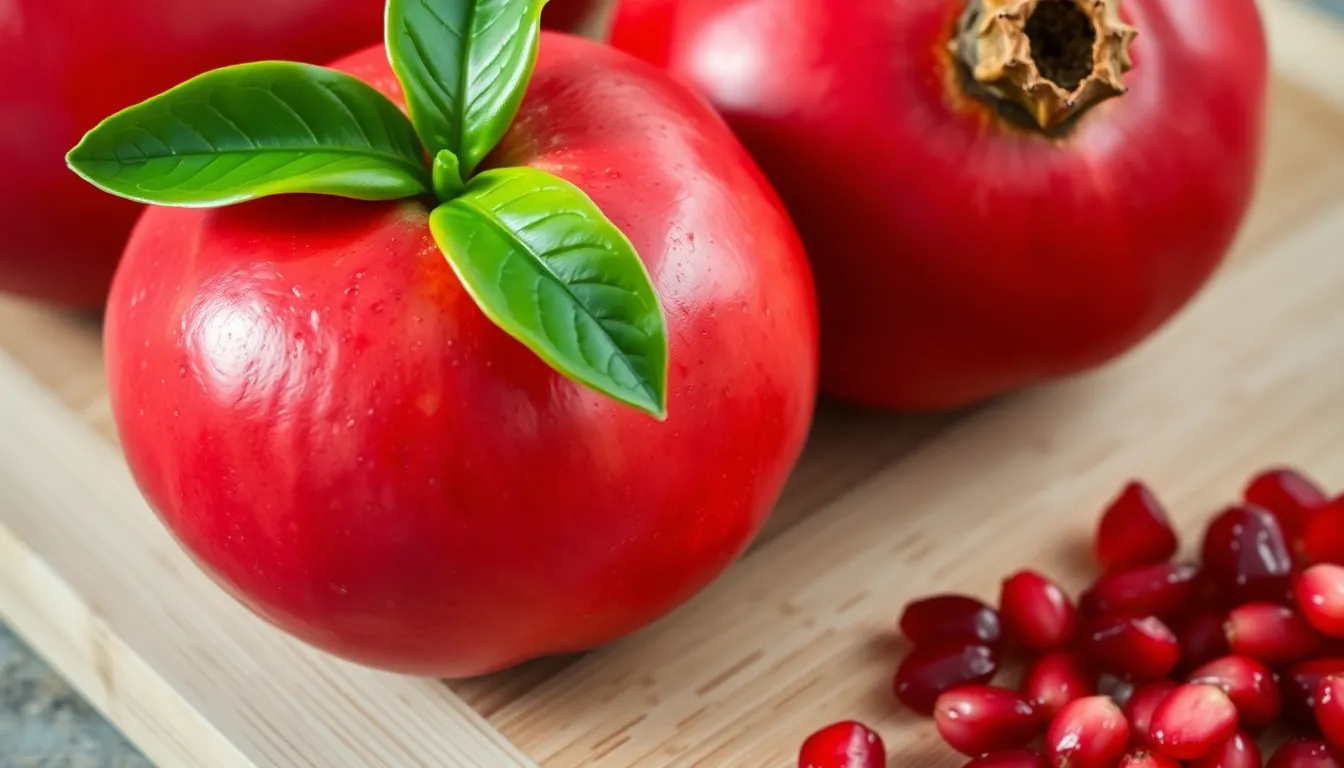
Pomegranates offer a wealth of nutrients, making them a favorite among health-conscious individuals. Understanding their macronutrient and micronutrient profiles provides insight into their health benefits.
Macronutrients
Pomegranates contain approximately 234 calories, primarily derived from carbohydrates. The fruit provides around 52 grams of carbohydrates, including 38 grams of sugar and 11 grams of dietary fiber. Protein content measures about 5 grams, while fat remains low at about 1 gram. This balanced macronutrient composition supports energy needs while promoting digestive health.
Micronutrients
Pomegranates are rich in essential vitamins and minerals. They contain approximately 30% of the recommended daily intake of vitamin C, which supports the immune system and skin health. Potassium levels stand at about 666 milligrams, contributing to heart health and blood pressure regulation. Folate content reaches roughly 36 micrograms, vital for DNA synthesis and cellular function. Additionally, the antioxidant properties of pomegranates, primarily from punicalagins and anthocyanins, play a significant role in reducing oxidative stress and inflammation.
How Many Calories in a Pomegranate?
Pomegranates are relatively low in calories for their nutrient density. Understanding the calorie content helps individuals manage their dietary intake effectively.
Whole Pomegranate
A whole pomegranate contains approximately 234 calories. This total primarily comes from carbohydrates, contributing about 52 grams. While eating this entire fruit provides a rich source of vitamins and antioxidants, the calorie count varies slightly based on size. Small pomegranates may have around 200 calories, while larger ones can reach up to 300 calories.
Pomegranate Seeds
Pomegranate seeds, or arils, are a popular way to enjoy the fruit. One cup of pomegranate seeds contains about 144 calories. The seeds offer the same nutritional benefits as the whole fruit, packed with vitamins, minerals, and antioxidants. Their caloric content makes them a healthy addition to salads, yogurt, and smoothies, allowing for versatility while managing calorie intake.
Health Benefits of Pomegranates
Pomegranates offer numerous health benefits due to their rich nutrient profile. These fruits provide antioxidants that protect against cellular damage. Antioxidants such as punicalagins and anthocyanins play a crucial role in combating oxidative stress.
Pomegranates support heart health by promoting healthy cholesterol levels and improving blood circulation. Regular consumption may lower the risk of heart disease, as studies indicate a correlation between pomegranate intake and reduced arterial plaque buildup.
Pomegranates contain anti-inflammatory properties that may alleviate symptoms of inflammatory conditions. These properties may contribute to reduced joint pain and swelling for individuals with arthritis or other inflammatory disorders.
Pomegranates also support cognitive function. Research demonstrates that antioxidants in pomegranates may enhance memory and overall brain health, potentially lowering the risk of neurodegenerative diseases.
Pomegranates promote digestive health due to their high fiber content. Dietary fiber aids in maintaining healthy digestion and can improve bowel regularity, preventing constipation.
In addition, pomegranates boost immune function. Their high vitamin C content helps strengthen the immune system, aiding the body in fighting off infections and illnesses.
Pomegranates can be incorporated into meals and snacks in various forms. Consuming them as fresh fruit, juice, or as toppings in salads and desserts enhances nutritional intake while providing flavor and texture.
Pomegranates stand out as a delicious and nutritious choice for anyone looking to enhance their diet. With a calorie count that varies by size they offer a satisfying option without excessive calories. Their impressive nutrient profile packed with vitamins minerals and antioxidants makes them a valuable addition to meals and snacks.
Incorporating pomegranates into daily routines can provide not just flavor but also significant health benefits. From supporting heart health to boosting immunity their versatility allows for creative culinary uses. Whether enjoyed fresh juiced or sprinkled on dishes pomegranates can easily fit into a balanced diet while helping to meet nutritional goals.